
Exhaust Maintenance Tips to Keep It Like New
Key takeaways
- Clean your exhaust tips only when cool, using the right method for carbon, titanium, or stainless to avoid scratches and chemical damage.
- Titanium bluing starts as oxide colors form with heat, so manage riding habits and polish early rather than trying to remove deep discoloration later.
- Malaysia's humid, coastal climate falls in a high corrosivity band under ISO 9223, so dry your bike and inspect fasteners often to prevent rust.
- A simple seasonal schedule of weekly wipe-downs, monthly bolt checks, and quarterly deep cleans keeps an aftermarket system looking factory-fresh.
A premium exhaust stays looking new when you clean it cool, match your method to the material, and stop moisture before it turns into rust. The right exhaust maintenance tips are mostly about habit: regular wipe-downs, careful riding to limit discoloration, and quick fastener checks. This guide walks through cleaning carbon, titanium, and stainless tips, preventing bluing, checking hardware, fighting humidity, and building a seasonal routine that keeps your Akrapovic or Arrow system crisp.
Riders in Malaysia face a tougher job than most. Warm air, frequent rain, and coastal salt all work against bare metal. A little discipline goes a long way here.
Why Do Exhaust Maintenance Tips Matter So Much?
An exhaust is one of the most exposed and expensive parts on a modern bike, and it lives in a harsh environment. The 304-grade stainless steel used in many systems corrodes slowly in clean air, under roughly 60 nanometers per year in humid conditions, but that resistance drops once chloride and grime build up on the surface (U.S. Nuclear Regulatory Commission, 2011). Keeping the surface clean is what preserves that protection.
Beyond looks, a well-kept exhaust holds its resale value and runs as designed. Loose mounts, leaking gaskets, and surface rust all start small and get expensive if ignored. Good care also protects nearby components, which is why many riders pair exhaust upkeep with broader engine protection. For a related look at guarding vulnerable parts, see our guide on GB Racing engine protection.
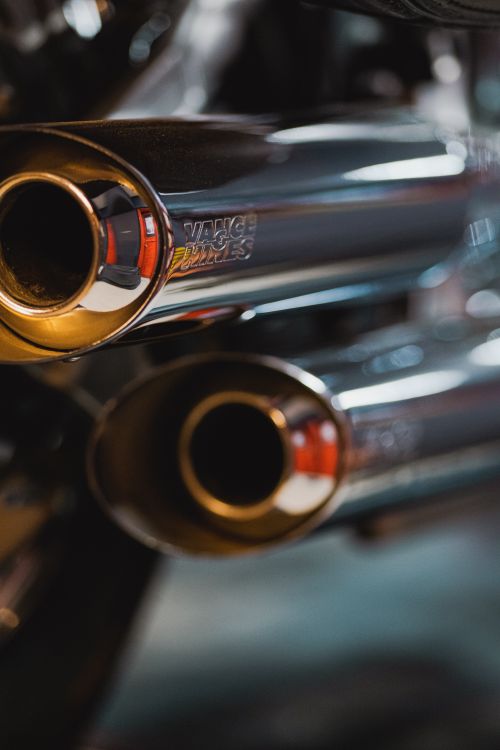
How Do You Clean Carbon, Titanium, and Stainless Tips?
Match the cleaner and the cloth to the material, and always work on a cold exhaust. Carbon, titanium, and stainless each react differently to heat, abrasives, and chemicals. A product that polishes stainless beautifully can dull a carbon weave or scratch a titanium tip. Start gentle, test a small area, and build up only if you need to.
Carbon Fiber Tips
Carbon needs the softest touch. Use warm soapy water and a microfiber cloth for routine cleaning. Avoid harsh solvents and abrasive pads, which can cloud the clear coat over the weave. For baked-on residue, a dedicated carbon-safe cleaner lifts grime without attacking the lacquer. Dry it fully so no water spots form on the glossy finish.
Titanium Tips
Titanium shows fingerprints and soot easily but polishes up well. Clean it cold with a soft cloth and a titanium-specific metal polish. Work in small circles, then buff to a shine. Steer clear of steel wool or coarse pads, which leave fine scratches that trap dirt and make future cleaning harder.
Stainless Steel Tips
Stainless is the most forgiving. A quality metal polish and a clean cloth remove most marks, and a non-abrasive stainless cleaner handles heavier soot. Finish by wiping along the grain, not across it, to keep the surface even. Reapply a thin protectant on exposed sections afterward.
How Can You Prevent Bluing and Discoloration?
Prevention comes down to managing heat and polishing early, because discoloration is baked into the metal by temperature. Titanium develops a sequence of oxide colors as it heats, moving from straw and gold at lower temperatures toward blue and purple as it gets hotter. Those colors are a thin oxide layer, not surface dirt, so they resist ordinary cleaning.
Some bluing near the header is normal and even prized by many riders. If you want to limit it, avoid long bouts of hard riding on a cold engine and let the bike warm gradually. Clean soot off promptly, since trapped residue bakes on and darkens over time. A light titanium polish applied early can reduce faint coloring before it sets.
Stainless can also discolor near the head pipe, usually a gold or straw tint. The same logic applies: catch it early with polish, and keep the surface clean so heat colors have less to grip. If you recently fitted your system yourself, revisit our walkthrough on how to install a slip-on exhaust to confirm nothing is sitting too close to the header.
Are Your Mounts, Bolts, and Gaskets Secure?
A monthly hand check of every fastener and gasket prevents the most common exhaust failures. Vibration loosens clamps and spring bolts over thousands of kilometers, and a loose joint quickly leaks and rattles. Catching movement early is far cheaper than replacing a dropped or damaged canister.
Work through the system in order. Check the header nuts at the cylinder, the mid-pipe clamp, the spring hooks, and the rear hanger bolt. Look for soot streaks around joints, which signal an exhaust leak and a tired gasket. Replace crush gaskets rather than reusing them, since a flattened gasket rarely seals twice. A torque wrench set to the maker's spec avoids both leaks from under-tightening and stripped threads from over-tightening.
Pay attention to the exhaust note as well. A sudden tick or deeper tone after a service often points to a loose joint or failed gasket. Fix leaks promptly, because escaping gas can discolor nearby metal and heat-stress rubber mounts.
How Do You Protect Against Moisture and Rust?
Keep the metal dry and clean, because humidity is the single biggest rust driver in a tropical climate. Corrosion becomes active once relative humidity passes about 80 percent, and tropical coastal regions sit in a high corrosivity band under the ISO 9223 standard, with steel losses measured in the tens to hundreds of micrometers per year in the harshest zones. Malaysia's warm, wet, often coastal air puts most bikes squarely in that risk range.
Build a few simple habits. Dry your bike after every ride in the rain, paying attention to joints and clamps where water pools. Apply a suitable metal protectant to exposed steel, and keep carbon and titanium clean so moisture has nothing to cling to. Store the bike in a ventilated space rather than a sealed, damp garage, and avoid parking on bare concrete that wicks moisture upward.
Riding near the coast adds salt to the mix, which is far more aggressive than plain humidity. Rinse the exhaust and underside with fresh water after seaside trips, then dry thoroughly. A quick wipe is cheap insurance against pitting that no polish can undo.
What Does a Seasonal Maintenance Schedule Look Like?
A tiered routine of weekly, monthly, and quarterly tasks keeps maintenance light and your exhaust looking new. Instead of one big annual effort, small regular checks catch problems while they are still easy to fix. In a humid, year-round riding climate, think of your "seasons" as the wet and dry stretches rather than winter and summer.
Use a simple cadence:
- Weekly: Wipe the tip and canister with a microfiber cloth. Rinse off road grime and dry fully, especially after rain.
- Monthly: Do a full clean matched to your material, then hand-check all mounts, clamps, and spring bolts. Look for soot streaks and surface rust.
- Quarterly: Deep clean and polish, reapply protectant to steel sections, inspect gaskets, and re-torque fasteners to spec.
- After coastal or heavy-rain rides: Rinse with fresh water and dry the same day to clear salt and moisture.
This rhythm pairs naturally with servicing other consumables. When you clean the exhaust, it is a good moment to review intake condition and other wear items too, so you tackle everything in one session rather than piecemeal.
Riders who keep up this schedule rarely face hard bluing, seized bolts, or deep rust. At Motovation-frgs, we see the difference clearly: systems that get a weekly wipe and a monthly fastener check come back years later still looking close to new, while neglected pipes show pitting and stubborn discoloration within a season or two.
Keeping Your Exhaust Looking New
Pick one habit to start this week: a two-minute wipe-down of your exhaust tip after your next ride, done once the pipe is cool. Build from there into the monthly and quarterly checks above, and keep the right material-specific cleaners within reach so care stays easy. Consistent, gentle attention beats any single deep clean, and it protects both the look and the value of a premium system through Malaysia's toughest riding conditions.
Frequently asked questions
How often should I clean my motorcycle exhaust?
Wipe the tip and canister down weekly if you ride regularly, and do a deeper clean monthly. In Malaysia's humid climate, clean sooner after rain or coastal rides to stop moisture sitting on the metal.
Can I remove titanium bluing from my exhaust?
Light heat bluing can often be reduced with a dedicated titanium polish and a soft cloth. Deep discoloration from very high temperatures is largely permanent, so prevention through careful riding matters more than removal.
What is the best way to prevent exhaust rust in a humid country?
Keep the surface dry and clean. Dry the bike after rain, apply a suitable metal protectant to steel sections, and store it in a ventilated space. Humidity above 80 percent accelerates corrosion on exposed metal.
Should I check exhaust bolts and gaskets myself?
Yes. A monthly visual and hand check of mounts, clamps, and spring bolts catches loosening early. Replace crush gaskets if you spot leaks, soot trails, or a change in exhaust note after reassembly.