
Full System vs Slip-On Exhaust: Which to Choose?
Key takeaways
- A slip-on exhaust swaps only the muffler, while a full system replaces the headers, mid-pipe and muffler for larger gains.
- Slip-on power gains are modest. Even premium slip-ons can deliver under 2 HP across the rev range, per RideApart dyno figures.
- Full systems unlock more power but usually need ECU tuning, cost far more and take longer to fit.
- Street riders are best served by a quality slip-on; track riders who tune get the most from a full system.
- US federal law caps street motorcycle noise at 80 dB for 1986 and later models, so check local limits before buying.
If you ride mostly on the street, a quality slip-on exhaust is the smarter buy. If you chase lap times and plan to tune, a full system earns its higher price. The full system vs slip-on exhaust question comes down to how much power you actually want, how much you can spend and whether you are willing to remap the bike to make it all work.
This guide breaks down how each system is built, what performance each one really delivers, and how weight, sound, cost and fitting compare. By the end you will know which upgrade fits your riding.
Full System vs Slip-On Exhaust: What Does Each Replace?
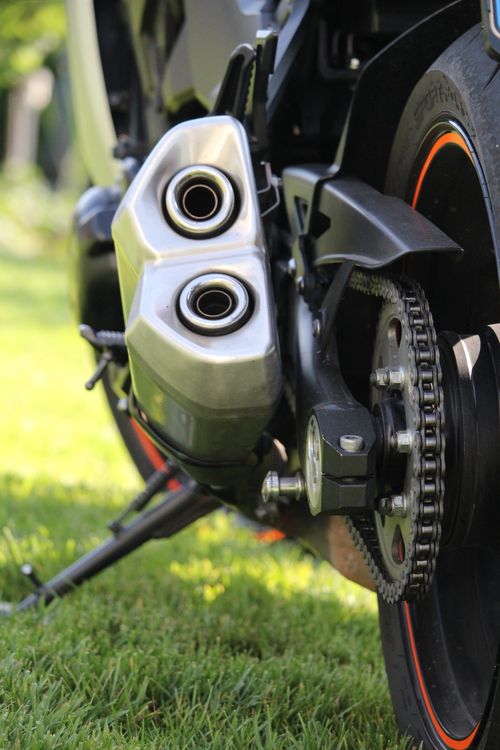
A slip-on replaces only the muffler, or end can, while a full system replaces everything from the cylinder head back: the headers, the mid-pipe and the muffler. That single difference drives every other trade-off between the two, from price to power to install time.
A slip-on clamps onto your existing mid-pipe, so the original headers stay on the bike. This keeps the factory fuel map valid and makes fitting simple. A full system removes the restrictive stock collector and designs the whole gas path for flow, which is why it costs and gains more.
If you are new to these upgrades, it helps to learn the terminology and the brands sold in Malaysia before you shop.
Which Delivers Bigger Performance Gains?
A slip-on delivers modest power gains, while a full system has the headroom for much more once tuned. In February 2026, RideApart reported that a premium Akrapovic slip-on for Ducati V2 models added about 0.9 HP and 2.2 lb-ft of torque near 3,000 rpm, and roughly 1.8 HP up at 11,000 rpm (RideApart, 2026).
Those are small numbers, and they come from one of the most respected brands in the business. The lesson is clear: buy a slip-on for sound, weight and looks first, and treat the power as a bonus rather than the reason.
A full system changes the story. Because it replaces the restrictive headers and collector, it can free up more power across a wider band. The catch is that a full system alters gas flow everywhere, so it almost always needs ECU remapping to run safely and to actually deliver those gains. Without a tune, a full system can run lean and even make less usable power than a good slip-on.
If you are torn between top end-can makers, compare the sound clips and dyno sheets for your specific model before you buy.
How Do Weight and Sound Compare?
Both systems cut weight and raise volume over stock, but a full system goes further on both counts. Stock exhausts are heavy steel assemblies, and titanium aftermarket systems are far lighter, which lowers the bike's center of mass and makes it flick into corners more easily.
A slip-on trims the single heaviest component, the muffler, so you feel a useful drop at the tail. A full titanium system removes heavy headers as well, so the total saving is larger. Manufacturers publish specific kilogram figures, but those vary widely by model and material, so treat any single number with care and check the spec for your exact bike.
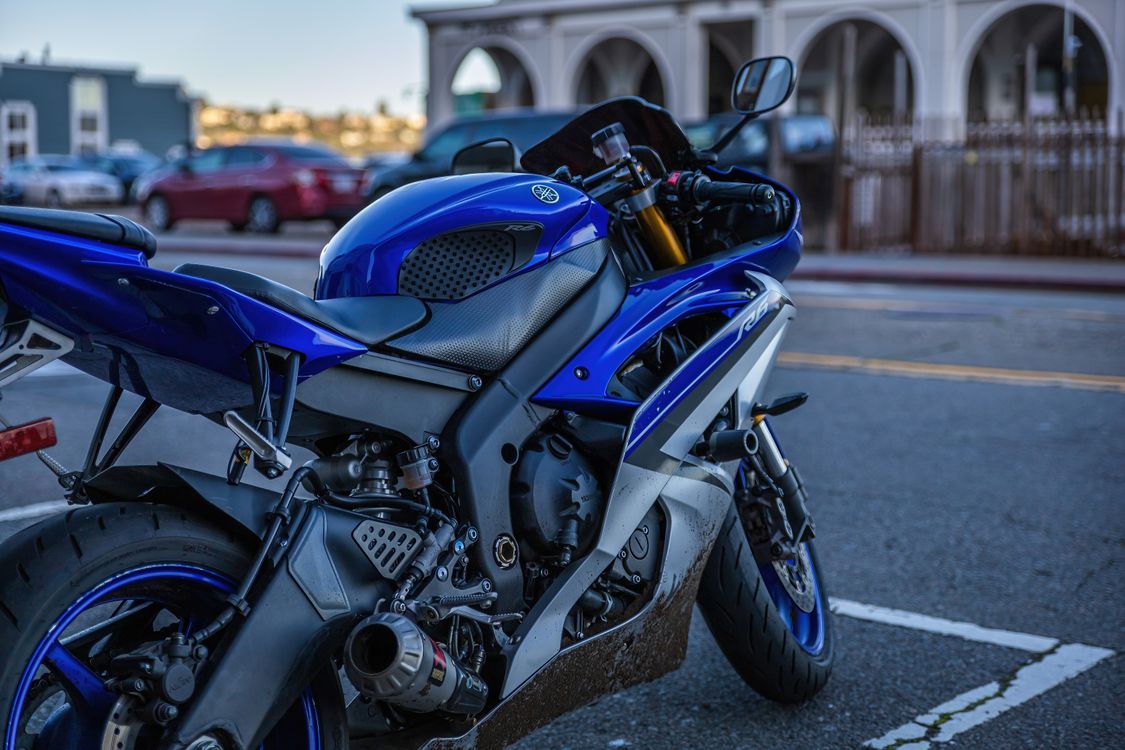
On sound, a slip-on adds a deeper, louder note while staying close to road-legal for most bikes. A full race system is markedly louder and often exceeds street limits. US federal law caps street motorcycle noise at 80 dB for 1986 and later models (U.S. EPA, 40 CFR 205). Malaysian JPJ enforcement focuses on excessive noise too, so keep a baffle fitted for street use and save the open can for the track.
How Much Do Cost and Installation Differ?
A slip-on is cheaper and faster, while a full system costs more and takes real workshop time. A slip-on usually bolts on with hand tools in under an hour, clamping to the existing mid-pipe with no tuning required for most bikes.
A full system is a bigger job. You remove fairings, drop the old headers and route the new ones, then add a tune on the dyno. That means more labour, more parts and often a day in the shop. The total outlay for a full system plus tuning can run several times the cost of a slip-on.
If you plan to fit the easy option yourself, our step-by-step slip-on install guide covers torque settings and gasket tips. Whichever route you take, budget for the install, not just the part.
Which Suits Street Riders and Which Suits Track Riders?
Street riders are usually best served by a slip-on, while track riders who tune get the most from a full system. A slip-on gives you the sound, the weight loss and the looks for a sensible price, and it keeps the bike easy to live with and simple to pass inspection.
Track riders chase every advantage. A full system with a proper ECU map delivers more power, sheds more weight and feeds a bike that already runs on a closed circuit where noise rules are set by the organiser rather than the road. If you ride both, a well-chosen slip-on remains the practical daily pick.
At Motovation-frgs we stock premium slip-ons and full systems from Akrapovic, Arrow and more, so you can match the upgrade to how you actually ride. Browse the range and compare specs for your model before you commit.
Frequently asked questions
Is a slip-on or full system better for a street bike?
For most street riders a slip-on is the better buy. It is lighter and louder than stock, far cheaper, bolts on in under an hour and rarely needs tuning to run cleanly.
Do you need a tune with a slip-on exhaust?
Usually no. A slip-on changes only the muffler, so the stock fuel map stays close enough. A full system changes gas flow throughout and almost always needs ECU remapping to run safely.
How much power does a full system add over a slip-on?
A slip-on alone often adds under 2 HP. A full system with matched ECU tuning can free up noticeably more across the rev range, though exact figures vary by bike and dyno.
Are aftermarket exhausts street legal in Malaysia?
It depends on noise output and local JPJ enforcement. Many race full systems are louder than road limits allow, so confirm the decibel rating and keep the baffle fitted for street use.